Abstract Modern Lower Third Broadcasting: A Design Evaluation
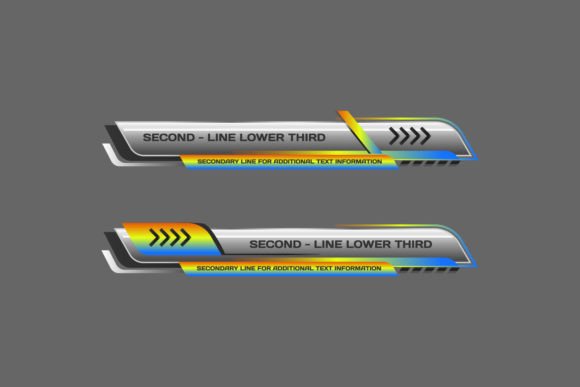
In the competitive landscape of digital media, visual identity often determines viewer retention. For broadcasters, streamers, and content creators, the lower third graphic serves as a critical interface between the host and the audience. It provides context, identifies speakers, and reinforces brand consistency without obstructing the primary video feed. The Abstract Modern Lower Third Broadcasting template represents a specific evolution in this category, moving away from literal imagery toward geometric fluidity and dynamic motion. This design approach is not merely aesthetic; it addresses the functional need for graphics that remain legible across varying background complexities while maintaining a contemporary feel.
Evaluating this resource requires looking beyond the initial visual appeal to understand its structural integrity, file versatility, and practical application in professional workflows. Whether you are producing a corporate webinar, managing a live esports tournament, or creating educational content, the choice of lower third assets impacts the perceived production value significantly. The following analysis breaks down the characteristics, usability, and strategic value of these abstract modern templates.
The Philosophy of Abstract Motion Graphics
Traditional broadcasting graphics often relied on solid bars, gradients, or literal icons representing news, sports, or technology. While functional, these designs can appear dated quickly as trends shift. The Abstract Modern Lower Third Broadcasting style leverages non-representational shapes, fluid lines, and layered transparency to create depth. This abstraction allows the graphic to sit harmoniously over almost any video footage without clashing with the colors or subjects within the frame.
The strength of this design philosophy lies in its neutrality. By avoiding specific iconography, the template becomes a versatile vessel for text and logos. In a real-world scenario, a news anchor discussing economic data and a tech reviewer analyzing a new smartphone can utilize the same underlying graphic structure. The abstract elements provide a sense of movement and energy—essential for keeping viewer attention during static talking-head segments—without distracting from the core message. This adaptability makes the asset a long-term investment rather than a one-off solution.
Technical Specifications and File Flexibility
A significant factor in the utility of any design resource is the format in which it is delivered. The Abstract Modern Lower Third Broadcasting package includes a comprehensive suite of file types: Ai (Adobe Illustrator), Eps (Encapsulated PostScript), Png (Portable Network Graphics), Jpg (Joint Photographic Experts Group), and Svg (Scalable Vector Graphics). This variety is crucial for different stages of the production pipeline.
- Vector Formats (Ai, Eps, Svg): These files are essential for customization. Professionals using Adobe After Effects, Premiere Pro, or Illustrator can manipulate the vector paths, adjust anchor points, and alter color palettes without losing resolution. The ability to scale these graphics infinitely ensures they look crisp on 4K displays and mobile screens alike.
- Raster Formats (Png, Jpg): For quick edits or integration into static presentations, the PNG files with transparent backgrounds offer immediate usability. They are ideal for overlaying onto existing video projects where deep vector editing is unnecessary. JPGs serve well for thumbnails, social media promotion, or print materials where transparency is not required.
This multi-format delivery system reduces friction in the workflow. A freelancer working on a tight deadline might use the PNG version for a quick turnaround, while an agency designer building a full brand identity kit will leverage the AI and EPS files for precise adjustments. The inclusion of SVG is particularly notable for web-based streaming interfaces, ensuring compatibility with modern browser rendering engines.
Practical Application in Streaming and Broadcast
The transition from traditional television to internet streaming has altered the requirements for on-screen graphics. Streamers often operate in less controlled environments than TV studios, dealing with varied lighting and dynamic backgrounds. The Abstract Modern Lower Third Broadcasting template is engineered to handle these variables effectively.
In a live streaming context, such as Twitch or YouTube Live, the lower third must appear instantly and disappear smoothly to avoid interrupting the flow of gameplay or commentary. The abstract nature of the design allows for smooth entrance and exit animations that do not rely on heavy, blocky transitions. When the graphic slides in, the fluid shapes guide the eye naturally to the text. Furthermore, because the design relies on contrast and shape rather than intricate detail, it remains readable even when the background behind the streamer is chaotic or busy.
For corporate and educational broadcasts, the stakes for professionalism are higher. A poorly designed lower third can undermine the credibility of a speaker. The clean lines and modern aesthetic of this template convey competence and forward-thinking. It signals to the audience that the production values are high, which indirectly validates the content being presented. Whether displaying a CEO's name during an earnings call or a professor's credentials during a lecture, the graphic frames the information with authority.
Usability and Customization Potential
One of the most common pitfalls in purchasing design assets is finding them difficult to modify. The true value of the Abstract Modern Lower Third Broadcasting template lies in its ease of customization. Because the source files are provided in industry-standard vector formats, users are not locked into the original color scheme or layout.
Users can easily extract the layers to isolate specific elements. For instance, a marketing team might want to replace the default accent color with their brand's hex code. With the AI and EPS files, this is a single-click operation. Similarly, the typography used in the preview images is typically not embedded permanently; designers can swap in custom fonts that align with their brand guidelines. This flexibility extends to the size and positioning of the text boxes, allowing the graphic to accommodate short names or lengthy titles equally well.
However, there are limitations to consider. While the template is highly flexible, it assumes a baseline level of proficiency with design software like Adobe Creative Cloud. Users who lack experience with vector manipulation may find the initial setup intimidating. In such cases, the PNG versions serve as a fallback, though they sacrifice the ability to resize or recolor without quality loss. Additionally, the abstract nature means the design does not come pre-loaded with specific thematic elements (like sports balls or news tickers), requiring the user to add those details if their niche demands literal representation.
Long-Term Value and Strategic Fit
When evaluating creative assets, the cost-per-use metric is often more relevant than the upfront price. The Abstract Modern Lower Third Broadcasting template offers substantial long-term value due to its timeless design language. Unlike trendy styles that become obsolete within a year, abstract geometry tends to age gracefully. This longevity ensures that the asset remains viable for multiple campaigns, seasons, or years of content creation.
Who benefits most from this resource? The primary audience includes:
- Professional Streamers: Those looking to elevate their channel's visual identity beyond basic overlays.
- Corporate Video Teams: Groups needing consistent branding across internal communications and external press releases.
- Freelance Editors: Individuals who require a library of high-quality, customizable assets to deliver polished results for diverse clients.
- Event Producers: Organizers of conferences and webinars who need reliable graphics for live presentation overlays.
For small business owners and entrepreneurs, the ability to maintain a cohesive visual brand across all platforms is vital. Using a consistent lower third design helps build recognition. When viewers see the same abstract motif across a website, a YouTube video, and a live stream, it reinforces the brand identity subconsciously.
Conclusion on Implementation
The Abstract Modern Lower Third Broadcasting template stands out as a robust tool for modern content production. Its combination of aesthetic flexibility, technical completeness, and practical utility addresses the core needs of today's creators. By providing editable vector files alongside ready-to-use raster formats, it accommodates both rapid deployment and deep customization.
While it requires a basic understanding of design software to unlock its full potential, the payoff in terms of professional appearance and brand consistency is significant. For anyone serious about elevating their broadcast quality, whether for entertainment, education, or business, this resource offers a reliable foundation. It transforms simple text identification into a sophisticated visual element that enhances, rather than distracts from, the content itself. As the line between professional broadcasting and independent streaming continues to blur, investing in high-quality, adaptable graphic assets like these becomes an essential component of a successful media strategy.