Mastering the Client Feedback Frame: A Visual Strategy for Social Proof
In the digital marketplace, trust is the most valuable currency a brand can possess. While products and services define what a business offers, it is the voice of the customer that defines how that offering is perceived by the world. This perception is often crystallized through visual assets known as the client feedback frame. These design templates serve as more than just decorative elements; they are strategic tools used to showcase testimonials, reviews, and ratings in a way that captures attention and validates quality. For designers, marketing professionals, and business owners, understanding the mechanics and application of these frames is essential for building a robust online presence.
The Anatomy of an Effective Testimonial Design
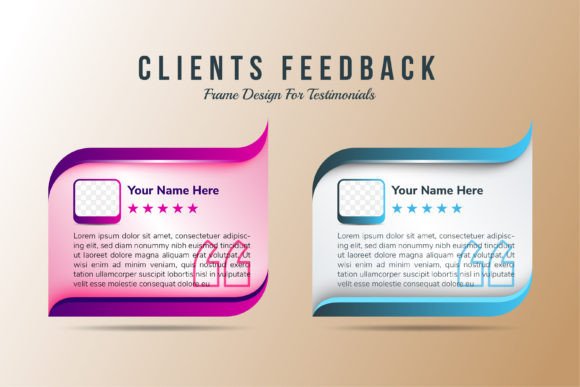
A well-constructed client feedback frame is a composite of several critical elements working in harmony to convey a message of satisfaction. At its core, the design must prioritize readability while maintaining an aesthetic appeal that aligns with corporate branding. The structure typically includes a designated space for a photograph of the client, which adds a layer of authenticity and human connection. When viewers see a real face associated with a review, the psychological barrier of skepticism lowers significantly.
Beyond the image, the layout requires ample room for the written testimonial. This text area should be designed to accommodate varying lengths of content, from short punchy quotes to detailed case study summaries. Typography plays a crucial role here; the font choice must be legible across different devices, ensuring that the message is clear whether viewed on a mobile screen or a desktop monitor. Additionally, the inclusion of rating stars is a standard feature. These graphical indicators provide an immediate, at-a-glance assessment of the customer's experience, allowing potential clients to gauge satisfaction levels instantly without reading the entire text.
Color psychology also influences the effectiveness of these frames. Many professional templates utilize gradients involving blue and pink tones. Blue is traditionally associated with trust, stability, and professionalism, making it a staple in corporate environments. Pink, when used as an accent or gradient blend, can introduce a sense of warmth, approachability, and modernity. This combination creates a visual balance that feels both reliable and friendly, perfectly suiting the intent of a positive review.
Vector Graphics and High-Resolution Standards
The technical foundation of a high-quality client feedback frame lies in its file format and resolution. In professional graphic design, the distinction between raster and vector graphics is paramount. Vector illustrations, defined by mathematical equations rather than pixels, ensure that the design remains crisp and sharp at any size. Whether the frame is scaled down for a social media story or blown up for a large billboard, the edges remain smooth, and the details stay intact. This scalability is a primary advantage of using 100% vector graphics for marketing materials.
Furthermore, the requirement for high-resolution output, specifically 300dpi (dots per inch), is critical for print applications. Digital screens typically operate at 72dpi, but physical marketing collateral such as brochures, flyers, and business cards demands higher density to prevent pixelation. A professional template package will include files optimized for both scenarios. By providing editable shapes and text layers, these resources allow users to customize the content without compromising the structural integrity of the design. This flexibility ensures that the final output meets the rigorous standards of modern digital marketing agencies and corporate branding departments.
Strategic Applications Across Digital Platforms
The versatility of the client feedback frame extends far beyond a single use case. Its adaptability makes it a cornerstone asset for various digital and physical channels. On social media platforms like Instagram, LinkedIn, and Facebook, these frames act as engaging posts that break up the monotony of standard text updates. They transform a simple quote into a shareable piece of content that encourages interaction. When a satisfied customer sees their feedback presented in a polished, professional manner, they are more likely to engage with the post, thereby amplifying the brand's reach organically.
For websites, particularly landing pages and "About Us" sections, these designs serve as powerful conversion tools. Placing a series of client feedback frames near a call-to-action button can significantly increase conversion rates by addressing potential objections before the user even raises them. The visual hierarchy guides the eye toward the proof of success, reinforcing the value proposition of the product or service. In email marketing campaigns, embedding these frames can enhance open rates and click-throughs by adding a visual element of credibility that plain text emails often lack.
Corporate presentations and pitch decks also benefit immensely from incorporating these visual assets. When pitching to new investors or clients, showing a gallery of past successes through structured testimonial frames demonstrates a track record of reliability. It shifts the narrative from what the company claims to do to what the company has actually achieved for others. This shift in perspective is often the deciding factor in securing new business relationships.
Customization and Brand Alignment
One of the most significant advantages of using a professionally organized template is the ability to tailor the design to specific brand guidelines. A generic design may look attractive, but a customized one resonates deeper with the target audience. Editable text layers allow marketers to insert the exact wording of the review, ensuring accuracy and context. Shapes and colors can be adjusted to match the company's logo and overall visual identity. For instance, a tech startup might opt for a sleek, dark-mode gradient, while a wellness brand might prefer soft pastels and organic shapes.
This level of customization extends to the layout itself. Some brands may prefer a horizontal orientation suitable for banners, while others need a vertical layout optimized for mobile stories. The availability of multiple file formats, such as AI (Adobe Illustrator), EPS, SVG, and JPG, ensures compatibility with various design software and workflows. This interoperability means that teams can collaborate seamlessly, with designers handling the heavy lifting of customization and marketers focusing on deployment. The result is a cohesive visual strategy where every piece of social proof reinforces the brand's unique voice.
The Psychology Behind Visual Social Proof
Why does a framed testimonial work better than a plain paragraph of text? The answer lies in the psychology of visual processing and social validation. Humans are wired to process images faster than text. A well-designed frame draws the eye immediately, stopping the scroll in a crowded feed. Once attention is captured, the brain looks for cues of authenticity. The presence of a photo, a name, and a star rating provides these cues, triggering a heuristic response that equates the visual presentation with truth.
Furthermore, the concept of "social proof" suggests that people tend to follow the actions of others, especially in situations of uncertainty. When a potential customer sees that others have had a positive experience, validated by a professional design, their anxiety about making a purchase decision decreases. The client feedback frame acts as a bridge, connecting the skepticism of the buyer with the confidence of the seller. It transforms abstract claims of "quality service" into tangible evidence of "happy clients."
The emotional impact of these designs cannot be overstated. Words like "appreciation," "satisfaction," and "recommendation" carry weight, but when paired with a vibrant, trendy layout, they evoke a feeling of community and belonging. It signals to the viewer that they are part of a larger group of satisfied customers who have made the right choice. This emotional resonance is a key driver in building long-term loyalty and advocacy.
Implementation Best Practices
To maximize the impact of these templates, implementation must be thoughtful and strategic. Consistency is key; using a uniform style for all feedback frames helps build a recognizable pattern that audiences come to associate with the brand. However, variety within that consistency—such as rotating colors or layouts slightly—can keep the content fresh and engaging. It is also important to curate the testimonials carefully. Selecting reviews that highlight specific benefits or solve common pain points makes the feedback more relevant to the current audience.
Accessibility is another consideration. While the design should be visually striking, it must also be accessible to users with visual impairments. Ensuring sufficient contrast between text and background colors and providing alt-text descriptions for images are best practices that should not be overlooked. By combining aesthetic appeal with functional accessibility, businesses can ensure that their message of quality and satisfaction reaches everyone.
Ultimately, the client feedback frame is a testament to the power of design in communication. It elevates the humble customer review into a strategic asset that drives growth, builds trust, and enhances brand reputation. Whether used in a digital marketing campaign, a corporate report, or a personal portfolio, these templates offer a versatile and effective way to showcase the voices that matter most: those of the customers themselves. As the digital landscape continues to evolve, the ability to present social proof in a compelling, high-quality format will remain a critical skill for anyone looking to succeed in the competitive marketplace.